
WELCOME TO PB MOVEMENT
Services
Injury Rehabilitation & Movement Therapy
Whether you’re managing a recent injury, persistent pain or a recurring problem, our team combines thorough assessment, hands-on treatment and personalised movement rehabilitation to help you move forward with confidence.
Assessment & Rehabilitation Services
Injury Assessment & Rehabilitation
For recent injuries, persistent pain, recurring problems or movement limitations that are stopping you from doing the things you enjoy.
Your initial assessment includes:
A detailed discussion about your symptoms, history and goals
Movement and neurological testing tailored to you
An explanation of the factors that may be contributing to your symptoms
A personalised treatment and rehabilitation plan
Exercises and guidance delivered through our app
Common reasons people book:
Back, knee, hip, shoulder or neck pain
Recurring sports injuries
Previous injuries that still affect movement
Persistent tightness, weakness or instability
Returning to exercise, work or sport
Pre- and post-surgery rehabilitation
Prices:
Therapist assessment: £75
Assessment with Lotti: £115
Therapist follow-up: £70
Follow-up with Lotti: £80
Neurological Rehabilitation
For people experiencing movement, balance or coordination difficulties associated with a neurological condition, persistent pain or changes following injury.
Our approach considers how the brain receives, processes and responds to information from the visual, vestibular and proprioceptive systems. Assessment and rehabilitation are personalised to the individual’s symptoms, abilities and goals.
We support people managing:
Stroke recovery
Multiple sclerosis
Parkinson’s disease
Persistent pain conditions
Fibromyalgia and CRPS
Balance, dizziness or coordination difficulties
Changes following concussion or spinal injury
Sensory processing and movement challenges
Rehabilitation may include movement retraining, balance and coordination work, visual or vestibular exercises, strength and mobility work, and an individual home programme.
Every case is different.
Please contact us before booking if you’re unsure whether this service is appropriate for you.
Hands-On Therapy
Sports Massage
Sports massage isn’t only for athletes. It can help anyone experiencing muscular tension, stiffness or soreness from training, work or everyday activity.
Your session may include deep-tissue massage, soft-tissue release and myofascial techniques, adapted to your comfort and goals.
People commonly book for:
Muscular tightness and stiffness
Post-training recovery
Work-related tension
General maintenance
Preparing for or recovering from an event
Price: £55
Deep Lymphatic Flow Therapy
More than lymphatic massage, this whole-body approach begins by supporting the deeper, central drainage pathways before encouraging flow throughout the rest of the body.
The lymphatic system helps transport fluid, cellular waste and immune cells. Unlike the circulatory system, it doesn’t have one central pump. It relies on breathing, muscular contractions, joint movement and changes in pressure to keep things flowing effectively.
Rather than focusing only on an area that feels puffy, heavy or restricted, we first work with the deeper drainage pathways to create space for fluid to move towards. We then use personalised techniques to encourage flow through the wider system.
Your session may include:
Gentle work around key lymphatic areas
Supporting deeper pathways through the abdomen and diaphragm
Breathing techniques to influence pressure and fluid movement
Joint mapping and movement to support the muscular pump
Targeted work around areas that feel heavy, puffy, tight or congested
The “Big 6” lymphatic sequence where appropriate
Simple techniques you can continue independently at home
This approach may help with:
Feelings of puffiness, heaviness or congestion
Generalised stiffness and tightness
Recovery following exercise or reduced activity
Supporting comfortable movement and mobility
Relaxation and nervous-system regulation
Building a more effective daily movement and recovery routine
Every session begins with a discussion about your symptoms and health history so the approach can be tailored appropriately to you.
Vagus Nerve & Nervous System Reset
This gentle whole-body session is designed to help you move out of a heightened, guarded state and into a calmer state where breathing, digestion, recovery and movement can work more effectively.
The vagus nerve forms part of the communication network between the brain and body. Rather than treating it as one isolated structure, we explore the different inputs that may be influencing how your nervous system is responding.
Your session may include:
Breathing and diaphragm work
Gentle neck, jaw and rib-cage techniques
Visual and vestibular exercises
Movement and sensory input
Lymphatic flow techniques
Simple regulation strategies to use at home
This approach may be suitable if you experience:
Difficulty switching off or relaxing
Persistent muscular tension or guarding
Shallow or restricted breathing
Feeling overwhelmed or constantly “on alert”
Poor recovery or disrupted sleep
Symptoms that worsen during periods of stress
The aim is not to force relaxation or “reset” the vagus nerve instantly. It is to identify supportive inputs that help your system feel safer, calmer and better able to adapt.
Vacuum Cupping Therapy
Vacuum cupping uses suction to gently lift the skin and underlying tissues rather than applying downward pressure. This can create a different sensory input and may help an area feel less restricted and more comfortable to move.
Cups may be held in one position or moved across the skin, depending on your symptoms, comfort and treatment goals.
People commonly book cupping for:
Muscular tightness and stiffness
Areas that feel restricted or difficult to move
Post-training recovery
General muscular discomfort
Supporting movement as part of a wider rehabilitation plan
Cupping may temporarily leave circular marks or skin discolouration, which can remain visible for several days. We’ll explain what to expect and check that the treatment is appropriate before beginning.
Cupping is normally used alongside assessment, movement or other hands-on techniques rather than as a standalone solution.
Pregnancy Massage
Pregnancy massage with Chloe is a gentle, personalised treatment designed to help you feel more comfortable as your body changes throughout pregnancy.
Positioning, pressure and techniques are adapted to your stage of pregnancy, symptoms and personal comfort.
Pregnancy massage may help with:
Muscular tension and general aches
Lower-back, hip and pelvic discomfort
Tired or heavy-feeling legs
Neck and shoulder tension
Relaxation and time to switch off
Feeling more comfortable in your changing body
Chloe will discuss your pregnancy, health history and any current concerns before treatment. If there are medical complications or reasons massage may not be suitable, we may ask you to seek advice from your midwife or healthcare professional first.
Running & Movement Coaching
Running Assessment
For runners experiencing pain, recurring injuries, reduced confidence or uncertainty about their running technique.
Your one-hour assessment looks beyond the area that hurts. We consider how your whole body contributes to running, including strength, mobility, coordination, balance and movement control.
Your assessment may include:
A detailed discussion about your running history, symptoms and goals
Video analysis of your walking and running
Joint movement and strength testing
Balance, coordination and movement-control assessments
Identifying factors that may be affecting comfort or efficiency
A clear explanation and personalised plan
This can be used to support injury rehabilitation, a return to running or improvements in running confidence and technique.
Running Technique Coaching
Personalised coaching for adults and young runners who want to return from injury, improve their technique or run with greater confidence.
Coaching builds progressively from your initial assessment. Sessions may combine running drills, strength and mobility work, movement retraining and individual feedback.
Coaching can focus on:
Returning to running following pain or injury
Improving running form and efficiency
Building strength, mobility and control
Developing speed and confidence
Reducing recurring problems by addressing contributing factors
Supporting young athletes as they develop their technique
Your programme may include:
Individual coaching sessions
Video analysis and technique feedback
Running-specific drills
Bespoke strength and movement exercises
Warm-up and recovery guidance
Exercises delivered through our app
Programmes are tailored to your goals and may be arranged in blocks where appropriate.
Multi-Directional Sports Coaching
Individual coaching for adults and young athletes involved in sports such as football, rugby, hockey, netball and court sports.
Sessions focus on developing the physical and movement skills needed to accelerate, decelerate, change direction and respond confidently during sport.
Coaching may include:
Acceleration and speed development
Deceleration and stopping control
Change-of-direction technique
Agility and reaction drills
Balance, coordination and proprioception
Strength and movement foundations
Sport-specific movement patterns
Return-to-sport progression following injury
Sessions are adapted to the athlete’s age, sport, current ability and goals. Coaching can be booked individually or arranged as a progressive block.
Movement Assessment & Coaching
For anyone who wants to understand how their body moves, build better foundations or feel more confident during exercise and everyday activity.
We assess movement as a whole rather than looking only at individual muscles. This may include joint function, strength, mobility, balance, coordination and how your visual, vestibular and proprioceptive systems contribute to movement.
Your assessment may include:
Joint-by-joint movement mapping
Strength and mobility testing
Balance and coordination assessments
Visual and vestibular drills
Proprioception and body-awareness testing
Identifying movements that feel limited, uncomfortable or poorly controlled
A personalised plan delivered through our app
Once the foundations are working well individually, we progressively bring them together into functional movement, strength and conditioning.
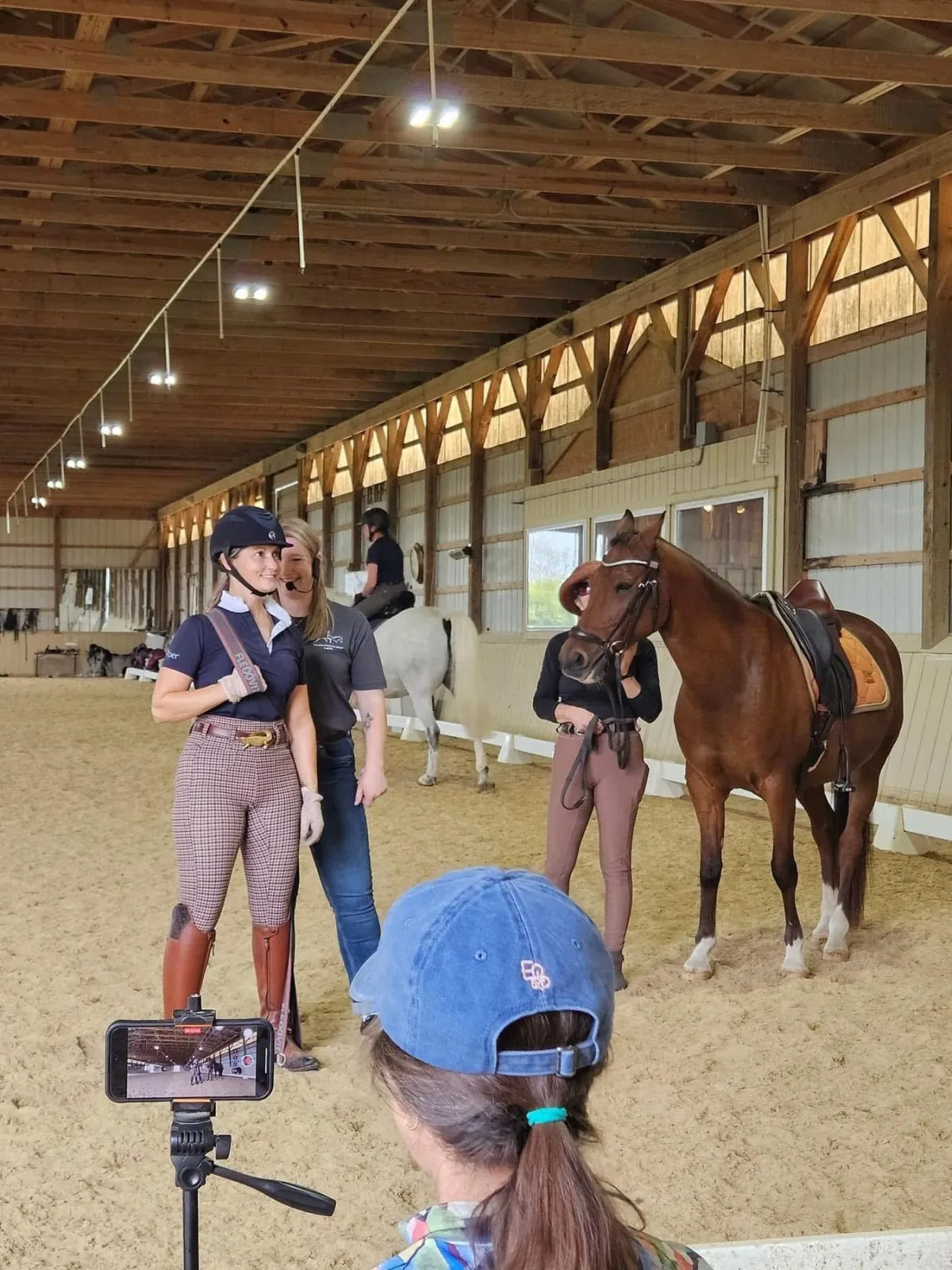
Neurocentric Horse Rider Assessment
For riders experiencing pain, one-sided tightness, reduced balance or difficulty maintaining an effective position in the saddle.
Your riding position is influenced by more than flexibility and strength. Vision, balance, joint awareness, previous injuries and the nervous system all contribute to how confidently and evenly you move.
Your assessment may explore:
Joint mobility and movement control
Balance and coordination
Visual tracking and processing
The vestibular system and its influence on stability
Proprioception and awareness of body position
Previous injuries and protective movement patterns
Differences between the left and right sides
This may be suitable if you:
Feel tighter or weaker on one side
Struggle to sit evenly or maintain your position
Experience back, hip, knee or shoulder discomfort when riding
Feel less confident following a fall or injury
Find that stretching or strengthening alone hasn’t resolved the problem
Want to improve your balance, coordination and movement in the saddle
You’ll leave with a clear explanation of what we found and a personalised programme to support your riding.
Not sure which service to choose?
Start with an initial assessment and we’ll help identify the most appropriate therapist and next step for you. If you’d prefer to speak to us before booking, call or email the clinic and we’ll be happy to help.
Call us: 01748 901990
Email us: [email protected]
Book online
COMPANY
CUSTOMER CARE
LEGAL
FOLLOW US


Copyright 2026 PB Movement. All Rights Reserved.