
WELCOME TO PB MOVEMENT
Infrared Sauna & Recovery Room
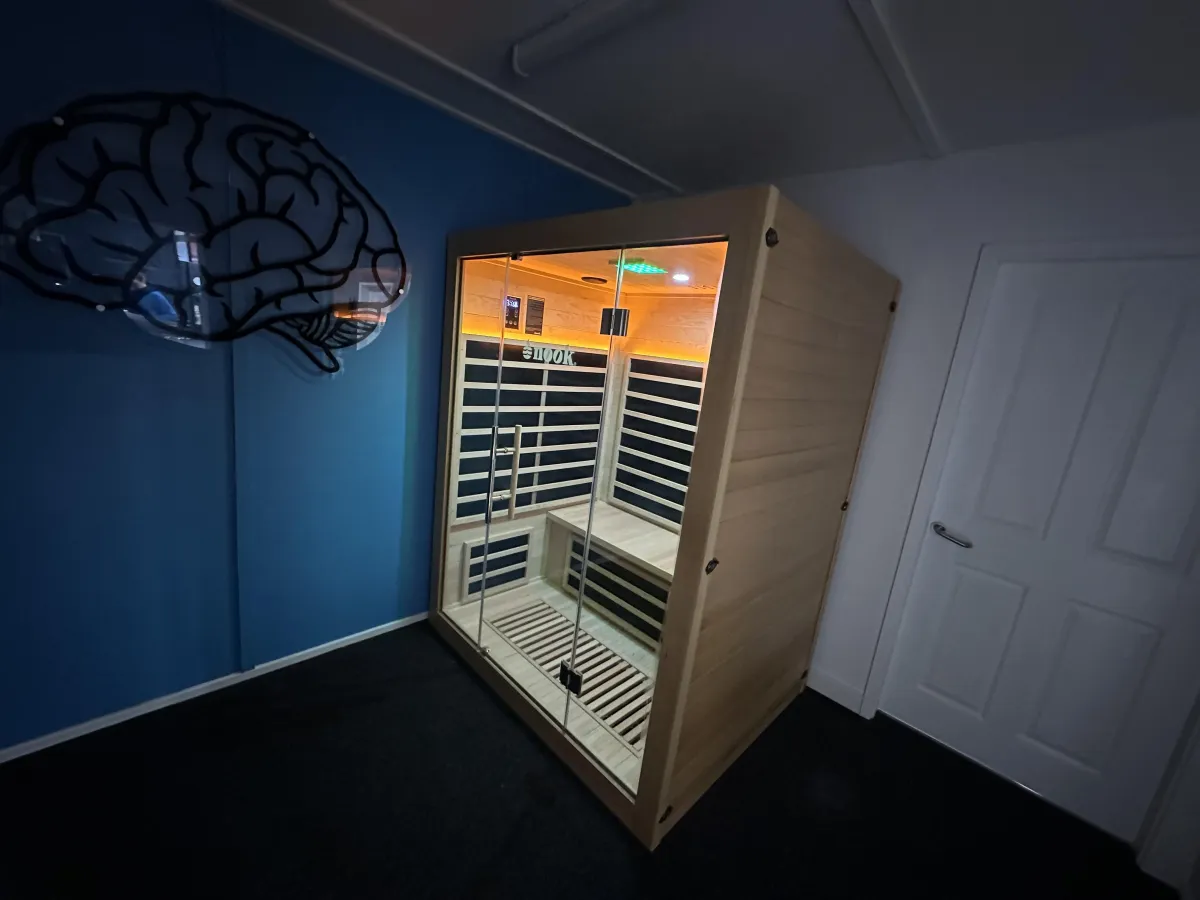
Relax, recover and recharge in our private infrared sauna and recovery room in Colburn, Catterick Garrison. Suitable for up to two people.
£24 for one hour — up to two people
How infrared sauna works
Unlike a traditional sauna, which mainly heats the air around you, an infrared sauna uses infrared light to warm your body directly.
This allows you to experience a steady, comfortable heat at a lower air temperature than many traditional saunas. You’ll still sweat, but the heat often feels less intense and stifling.
Why use an infrared sauna?
Relaxation and stress reduction
Temporary relief from muscle tension and stiffness
Post-exercise recovery
Supporting a restful sleep routine
General wellbeing and time to switch off
Potential benefits
People use infrared sauna as part of their wellbeing or recovery routine for:
Relaxation and helping the body switch out of a heightened stress state
Temporary relief from muscular tension and stiffness
Feeling more comfortable after exercise
Supporting circulation through warmth
Creating a calming routine that may support better sleep
Helping some people with persistent pain feel more comfortable moving
Using the sauna with a health condition
Some people with persistent pain or long-term conditions find warmth relaxing and helpful. However, responses to heat vary, and conditions such as MS, dysautonomia, reduced sensation and blood-pressure problems can increase the risk of overheating, dizziness or fatigue.
Start with a shorter, cooler session and monitor how you feel during and afterwards. If you have a medical condition, are pregnant, take medication that affects heat tolerance or are unsure whether sauna use is suitable, seek advice from an appropriate healthcare professional before booking.
Chromotherapy
Chromotherapy uses coloured light to create a calming and restorative environment during your sauna session.
Different colours can influence how a space feels and may support:
Relaxation and stress reduction
A calmer or more uplifting atmosphere
Mindfulness and focused breathing
A soothing evening routine
Your overall sense of wellbeing
Chromotherapy isn’t intended to diagnose or treat a medical condition. Simply choose the colour that feels most comfortable and supportive to you on the day.
Frequently Asked Questions
What is the wellness and recovery room?
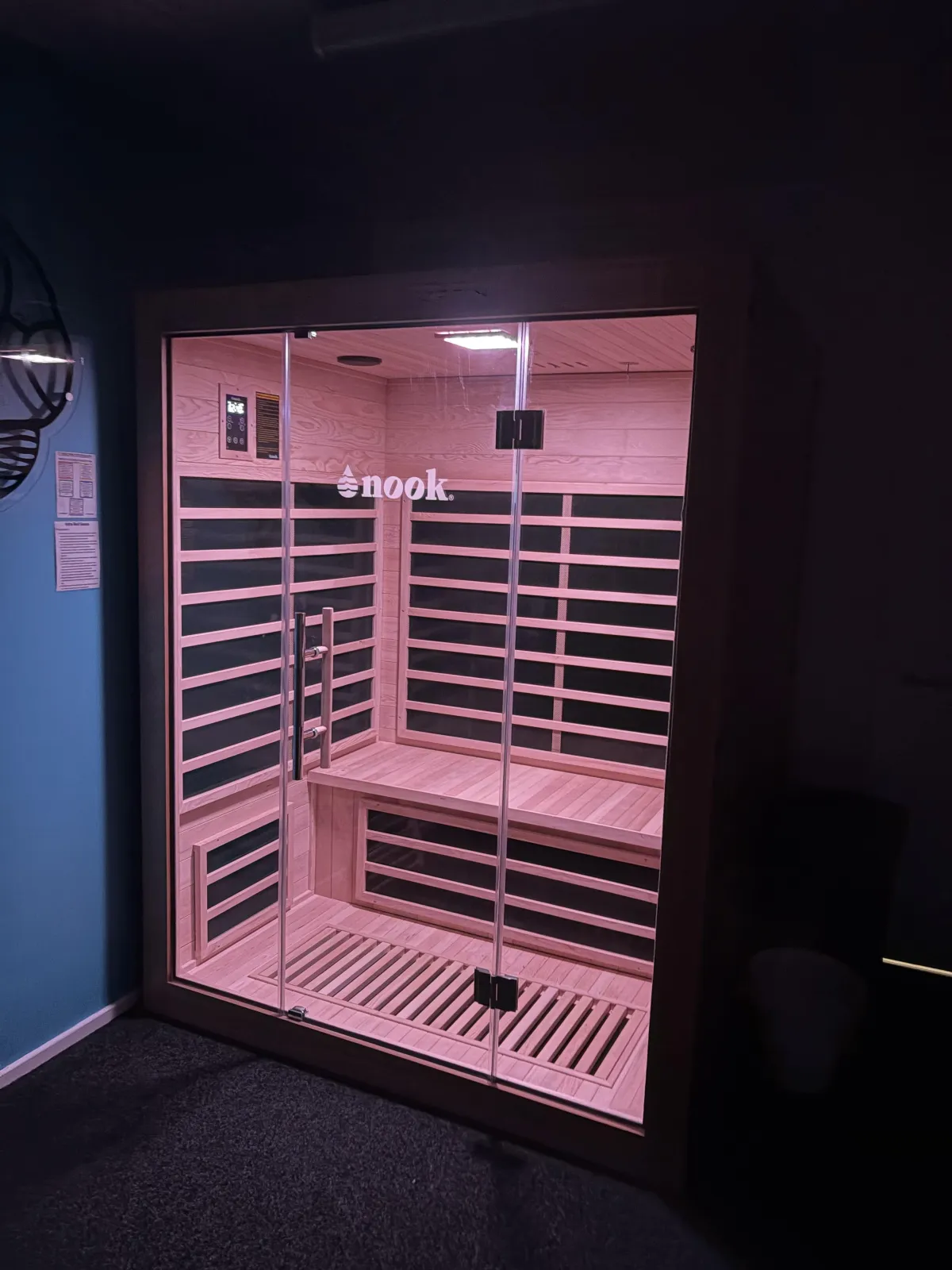
Our recovery room is a private space you can book to support relaxation and recovery. It includes:
Infrared sauna
Chromotherapy (coloured light)
Recovery Boots (compression boots)
Is this suitable for everyone?
Infrared sauna is suitable for many people, but heat affects everyone differently. Extra care may be needed if you are pregnant, have a medical condition, experience heat sensitivity or dizziness, have reduced sensation, or take medication that affects temperature regulation. If you’re unsure, seek appropriate medical advice before booking.
Can I use the sauna if I have pain or a long-term condition?
Possibly, depending on your condition and how your body responds to heat. Some people find warmth relaxing and soothing, while others may experience increased fatigue, dizziness or other symptoms. Start gently and stop if you feel unwell.
How long should I stay in for my first session?
Begin with around 15–20 minutes at a comfortable temperature. You can gradually increase the time during future visits if you respond well. The aim is to leave feeling relaxed and refreshed—not exhausted.
What should I do before my session?
Drink plenty of water.
Avoid alcohol before your session.
Avoid eating a heavy meal immediately beforehand.
Let a member of the team know if this is your first sauna session or you have any concerns.
What should I do after my session?
Stand up slowly and allow yourself time to cool down.
Rehydrate with water; you may also choose an electrolyte drink if you have sweated heavily.
Stop and speak to a member of the team if you feel dizzy, faint or unwell.
Gentle breathing or mobility can be a relaxing way to finish your recovery session.
What should I wear and what should I bring?
Wear comfortable clothing suitable for heat and sweating, such as swimwear or light sportswear. Towels are provided, although you’re welcome to bring your own. Please bring a bottle of water.
How do I choose a chromotherapy colour?
Choose whichever colour feels most comfortable or calming to you on the day. If you’re prone to headaches or light sensitivity, use a lower brightness and avoid any colour or setting that feels uncomfortable.
What temperature is the sauna?
Our infrared sauna can reach 65°C. If you’re new to infrared sauna, heat-sensitive or prone to dizziness, begin with a shorter session and take a break whenever needed. Comfort is more important than intensity—you should leave feeling relaxed, not exhausted.

Ready to Relax and Recharge?
Enjoy one hour in our private infrared sauna and recovery room for £24, suitable for up to two people.

COMPANY
CUSTOMER CARE
LEGAL
FOLLOW US


Copyright 2026 PB Movement. All Rights Reserved.